The Allure of Trivia: Psychology of Curiosity and the Attention Economy
Recently published | By our experts
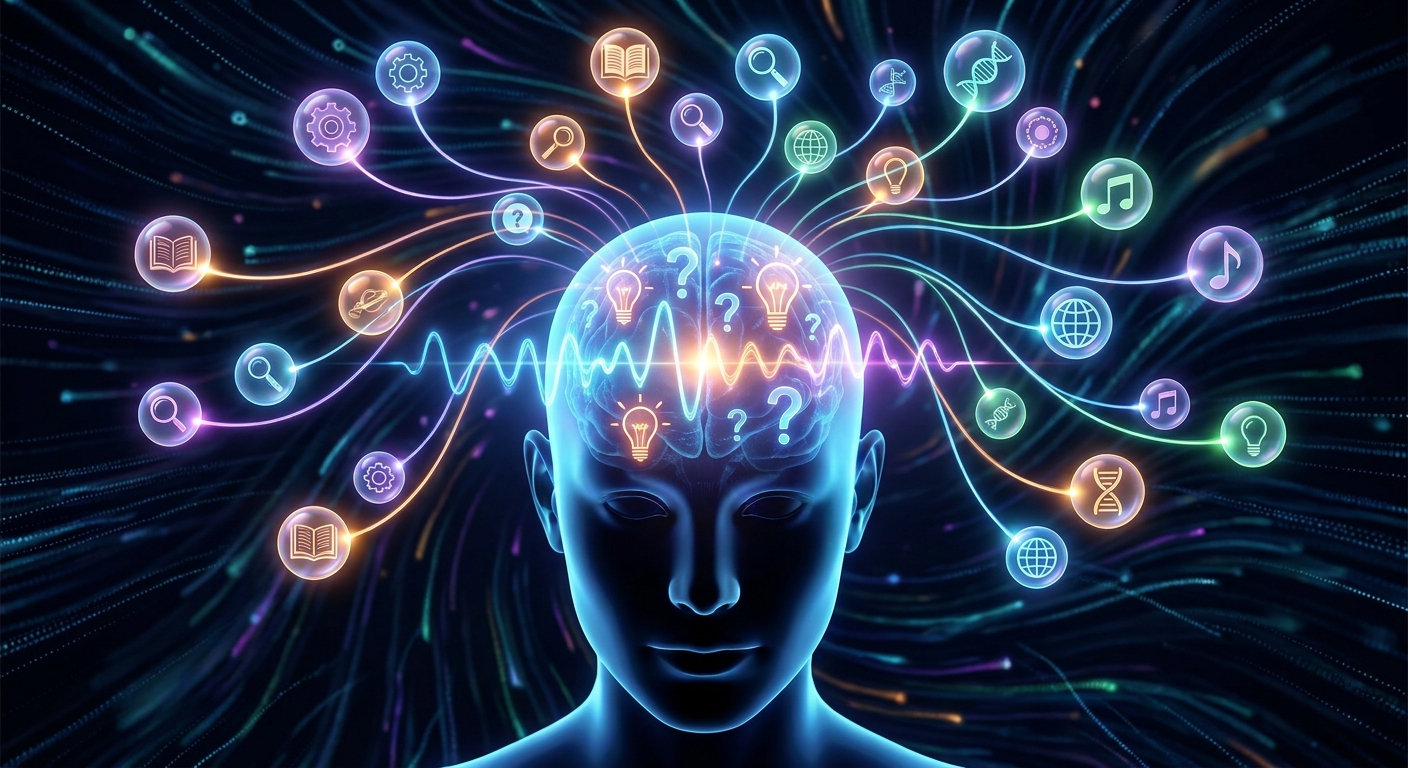
From peculiar historical anecdotes to mind-boggling scientific oddities, trivia holds an undeniable grip on our collective consciousness. As Wakkipedia, an online encyclopaedia dedicated to interesting but 'useless' information, stands as a testament, our brains are remarkably hardwired to love these surprising facts and unexpected nuggets of knowledge. This article delves into the fascinating psychological mechanisms that fuel our obsession with 'incredible but true' content and how modern platforms strategically leverage this innate human trait within the bustling attention economy.
The Core of Curiosity: What Drives Our Brains?
Our fascination with trivia isn't random; it's rooted in fundamental aspects of human cognition and emotion.
The Information Gap Theory: A Cognitive Hook
One of the most compelling explanations for our pursuit of trivia is George Loewenstein's Information Gap Theory. This theory posits that curiosity arises from a perceived gap between what we know and what we want to know. When presented with a snippet of intriguing information, our brains experience a mild discomfort, a cognitive itch, that can only be scratched by acquiring the missing piece of knowledge. Trivia masterfully exploits this by presenting just enough information to open a gap, making us eager to learn the surprising resolution.
Novelty and Surprise: Dopamine's Reward
Our brains are exquisitely wired to respond to novelty and surprise. Unexpected information, especially that which challenges our assumptions or reveals something previously unknown, triggers a release of dopamine – a neurotransmitter associated with pleasure and reward. This positive reinforcement makes seeking out new and surprising facts an inherently gratifying activity, reinforcing the behavior of engaging with trivia content. The 'wow' factor of an unbelievable fact is a potent neurological reward.
Social Bonding and Status: Sharing Knowledge
Beyond individual gratification, trivia also plays a significant social role. Sharing an impressive or amusing fact can be a powerful way to initiate conversations, entertain others, and even subtly elevate one's social status. Being perceived as knowledgeable or witty due to a well-timed piece of trivia can foster connections and enhance social interactions. This aspect adds another layer to trivia's allure, making it a valuable social currency.
Trivia in the Attention Economy: A Perfect Match
In an age where digital platforms compete fiercely for our limited attention, trivia has emerged as an incredibly effective tool for engagement.
Micro-Content and Instant Gratification
Trivia is the quintessential micro-content. It's concise, easily digestible, and often requires minimal cognitive effort to process. This makes it perfectly suited for the fast-paced, scroll-heavy environments of social media and news feeds. Users can consume a satisfying piece of information almost instantly, providing immediate gratification and encouraging continued engagement without demanding significant time investment.
Algorithmic Amplification: Feeding the Loop
Sophisticated algorithms on platforms like YouTube, TikTok, and various news aggregators are designed to identify what content captures and holds user attention. When trivia content successfully triggers curiosity, surprise, or social sharing, these algorithms learn and subsequently prioritize similar content, creating a positive feedback loop. Users are then fed a steady stream of highly engaging trivia, further entrenching their habit and maximizing time on platform.
The Gamification of Knowledge
Many platforms actively gamify trivia through quizzes, polls, and 'did you know?' features. These interactive elements tap into our competitive instincts and desire for mastery, turning the consumption of facts into an engaging challenge. The simple act of correctly answering a trivia question or guessing a surprising fact provides a mini-victory, encouraging users to participate and stay invested.
The Benefits (and Pitfalls) of a Trivia-Rich Diet
While largely enjoyable, a steady diet of trivia offers both cognitive advantages and potential drawbacks.
Cognitive Benefits: Memory and Learning
Engaging with trivia can be a low-stakes way to exercise our brains. It stimulates active recall, helps form new neural connections, and can even be a gateway to deeper learning. A fascinating fact might spark a genuine interest, prompting further research into a topic. It keeps our minds agile and receptive to new information, reinforcing our capacity for learning.
Potential Downsides: Information Overload and Distraction
The constant influx of trivia, especially when driven by algorithmic amplification, can contribute to information overload. While individually engaging, a deluge of disconnected facts might hinder deeper, more focused thought processes. It can also serve as a significant distraction, pulling attention away from tasks requiring sustained concentration and potentially leading to superficial engagement with a vast array of topics rather than deep understanding of a few.
Conclusion
The enduring allure of trivia is a powerful testament to our innate human curiosity and our brain's reward system. In the attention economy, platforms have become adept at leveraging these psychological drivers, offering an endless stream of fascinating, surprising, and often 'useless' information. As we navigate the digital landscape, understanding the psychology behind our trivia obsession allows us to appreciate its role in entertaining and informing us, much like Wakkipedia's mission, while also recognizing its potential impact on our focus and cognitive well-being.